
4th International Conference

The Fourth

International Conference on Regenerative Ecosystems (ICRE 2025)

2nd – 6th December 2025

Hosted by

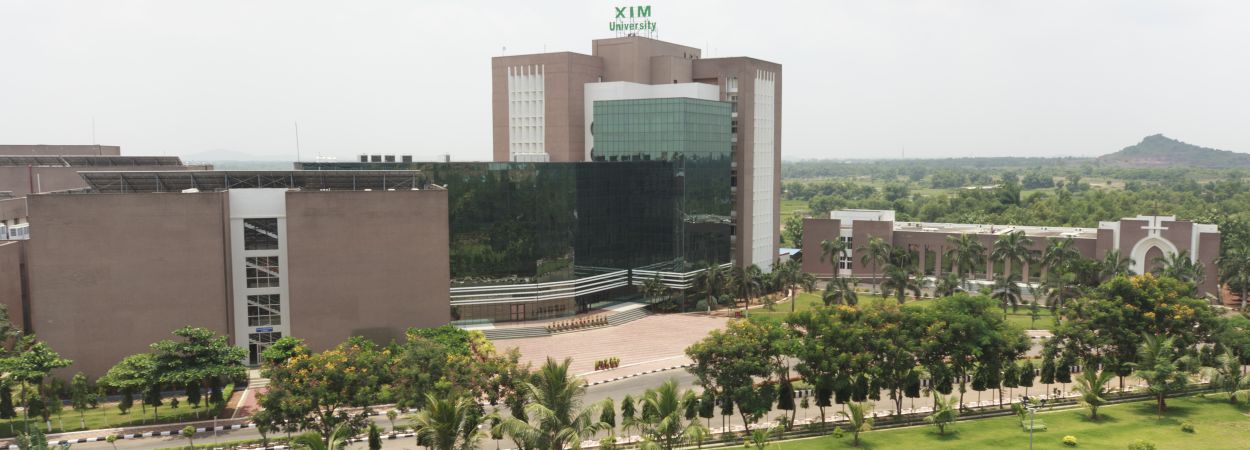
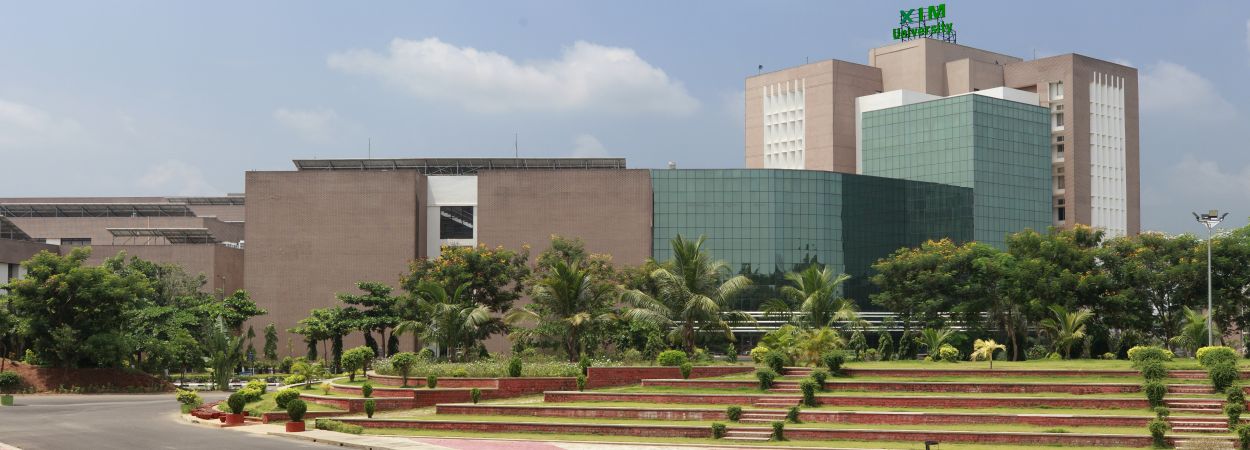
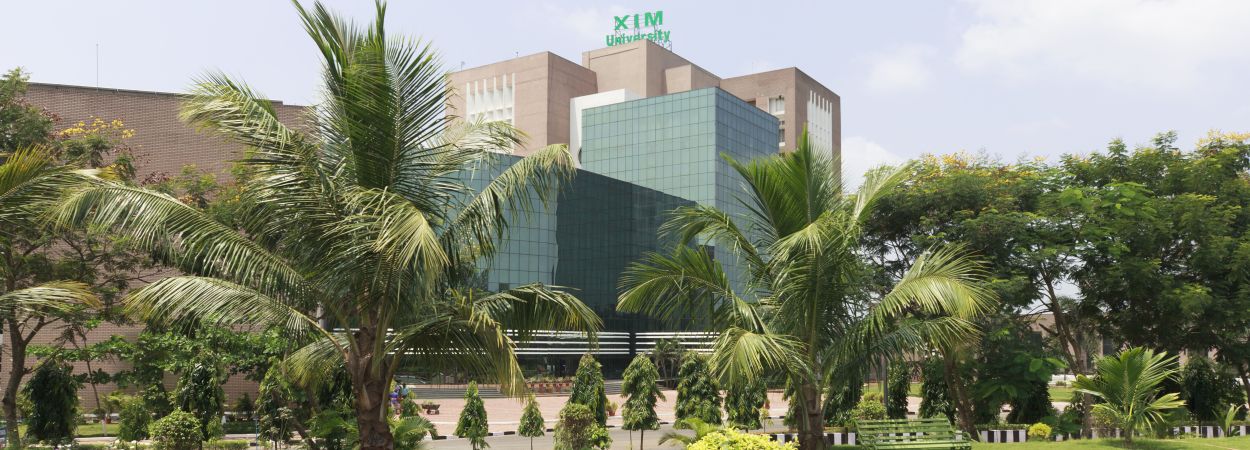
XIM University, Bhubaneswar

Organized by

AIESS Consortium for Regenerativeness

About ICRE 2025

  • Context
  • Focus
  • Major Events
  • Plenary Session Speaker

Uncertainties, vulnerabilities, and inequalities have grown across all sectors and geographies. The design processes in most ecosystems, whether natural, indigenous, rural, urban, or industrial, tend to degenerate despite the best human efforts. Despite convincing scientific evidence of the rising risks of ecological imbalances with visible and potential threats in the Anthropocene, the policy & strategy (in government and corporations), practices (in public and private spaces), research (social, natural, & physical sciences) are not adequately responding to this emerging polycrisis. The existing literature on practices, policies & theories to halt or reverse these degenerative processes may broadly be seen from the three dominant frameworks: Circular Economy, Social & Solidarity Economy, and Ecological Economics. While the first is focused on Economics, the second is focused on Social, and the third is focused on Ecology.

ICRE 2025 aims to further explore the science and practice of regenerativeness in the above-built environment (theory+design+practice) from the All Interacting Evolving Systems Science perspective based on non-dualism and reality's uncertain and evolving nature.  


ReadMore >>

The above international Conference aims to bring together the existing sustainability frameworks towards developing an eclectic systems framework of All Interacting Evolving Systems Science (AIESS) to facilitate Regenerative Systems in the context of specific ecosystems, viz. (a) Natural Ecosystem, (b) Indigenous Ecosystem, (c) Rural Ecosystem, (d) Urban Ecosystem, and (e) Industrial Ecosystem. The AIESS Framework synthesizes the critical pillars of any ecosystem, viz., ecology, social, political, and economic parameters, to develop and propose coherent systemic models for regenerativeness and sustainability. The eight dimensions of these four critical pillars of any ecosystem include Ecology, Social Relationships, Institutions, Governance, Agriculture, Services, Manufacturing, and Organizations. The above eight dimensions and an indicative list of factors under each dimension form the tracks and topics of the Conference, as given in the table below.


Tracks & Topics
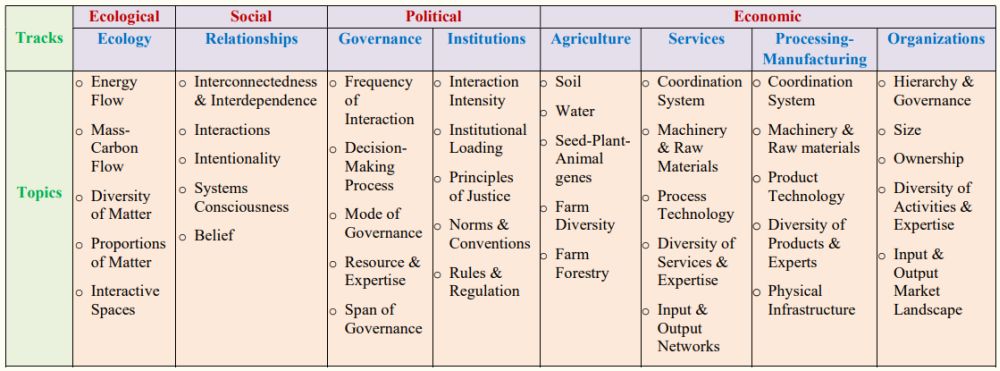
 

The above tracks (dimensions) and topics (factors) under each track are only an indicative list. Authors can consider other relevant factors within the given dimension or additional dimensions and, importantly, define the nature of factors (variables) and the interactions that cause degenerative or regenerative processes in a unit, sub-system, system, or Ecosystem. Papers related to Awareness, Education, Training, and Capacity Building of the above and the science of regenerativeness in general, as well as communication strategy and role of the Media, are also invited. Overall, the Conference welcomes Theoretical, Empirical, as well as in-depth Case papers.   

Given the interconnectedness, interdependence, and embeddedness of the above dimensions and the nature of factors (variables), the contributors are advised to adopt the systems, transdisciplinary, or ecosystemic transdisciplinary approach to develop their submissions. It is understood that the synthesis of regenerative approaches, models, and solutions at different levels of an ecosystem invariably includes the diagnosis or causality of both degeneration or regeneration in the human-built systems or natural systems. The authors may accordingly define the scope and focus of their respective papers. Details on Paper submission will be given at an Online Paper Development Guideline Session was on 21st February 2025. There will be two more such sessions in March & April 2025. Check the conference website for updates. Click here and register to get the Zoom Link. For a quick reference on philosophy, methodology, design, strategy, and action related to AIESS and Regenerative Ecosystems, please see this Regenerative Ecosystems in Anthropocene https://link.springer.com/book/10.1007/978-3-031-53298-6 For more details, please refer to https://xim.edu.in/aiess/publications/ and https://xim.edu.in/aiess/activities-archive/

Major Conference Events

  • Methodology Workshop
    2nd Dec 2025
  • Regenerative Science in Practice – RTD
     3rd Dec 2025
  • Plenary Sessions
    4-6 Dec 2025
  • Parallel Sessions
    4-6 Dec 2025

Workshop on Systems Science & Transdisciplinary (TD) Methodologies for Doctoral Scholars and Young Faculty members

Despite the vast expansion of research across various scientific domains, the world continues to face accelerating degeneration and a deepening polycrisis—spanning ecological, social, political, and economic spheres. This paradox raises a critical question: Have we overlooked something fundamental in our ways of knowing and resolving complex realities? Are our prevailing research methodologies sufficient to understand and address the interconnected challenges of today?

In response to this urgent concern, ICRE 2025 offers a Workshop on Systems Science & Transdisciplinary (TD) Methodologies for Doctoral Scholars and  Young Faculty members, specifically designed for doctoral scholars and young faculty members, across the social, political, economic, management, and natural sciences. This workshop provides a unique opportunity to engage with leading scholars in systems science and transdisciplinary methodologies, and to interact with fellow researchers confronting similar questions from diverse fields. Together, participants will explore and co-discover coherence across the philosophy of sciences, research methodologies, and practical methods. The workshop emphasizes alignment across ontology, epistemology, logic, and axiology, empowering scholars to design research that contributes meaningfully to the regeneration of systems and ecosystems.


Expert-Resource Persons >>


Join this transformative workshop and receive exclusive pre-conference insights by registering here: https://forms.gle/AHwBCh9HkQdhaLS48

Round Table Discussion on Regenerative Science & Practice


The contemporary world faces an escalating polycrisis—an interlinked and compounding set of ecological degradation, social fragmentation, political instability, and economic inequities. These crises are deeply interconnected and mutually reinforcing, particularly evident across industrial, urban, rural, indigenous, and natural ecosystems. Addressing such systemic challenges requires more than sectoral responses; it calls for coherent theoretical grounding and coordinated human action grounded in systems science and transdisciplinary approaches.

This Round Table Discussion (RTD) on Regenerative Science is being convened for senior scholars, experienced practitioners, policy executives, and committed philanthropists who seek to act meaningfully in response to the polycrisis. The session will bring together the Board Members, Convenors, and Advisory Members of the AIESS Consortium of ICRE 2025 to engage in deep dialogue with invited thought leaders and institutional actors. The aim is to arrive at a shared understanding and strategic direction for transitioning towards regenerativeness in diverse ecosystems. A field visit to a regenerative agricultural farm shall be part of this RTD. A key outcome of the RTD will be the co-creation of holistic, eco-systemic action projects at the level of communities, habitats, and ecosystems, with global relevance and regional adaptability.


To participate in this critical dialogue, Senior members are kindly invited to register here : https://forms.gle/CqxVmyLSa8JppEmW8

Plenary Sessions

ICRE 2025 is privileged to host a diverse group of eminent scholars, experienced practitioners, and dedicated philanthropists who are at the forefront of regenerative science and practice. While the parallel sessions of the conference will focus on detailed analysis of specific subsystems—organized into thematic tracks—the plenary sessions are designed to bring together broader insights across disciplines. These sessions will offer a synthesis of transdisciplinary ideas and design principles that can guide regenerativeness across various ecosystems, including industrial, urban, rural, indigenous, and natural systems.

A distinctive feature of the plenaries will be the inclusion of leading scholars from the natural sciences who will delve into foundational scientific questions such as quantum entanglement, quantum fields, the challenge of singularity in the Big Bang theory, genetic mutations and predictability, and the irreversibility of chemical reactions. These insights aim to help bridge gaps across scientific domains by addressing problems of duality, uncertainty, and fragmentation. The sessions will contribute toward shaping a more coherent philosophy of science—especially in terms of logic, values (axiology), and balanced human action—essential for transitioning to regenerative systems and ecosystems.


Plenary Session

Theme


 4th Dec, Session 1


Ecological & Physical Balance for Regenerativeness

 4th Dec, Session 2

Social Relationships, Beliefs, & Culture for Regenerativeness

 5th Dec, Session 1

Institution, Governance & Public Policy for Regenerativeness

 5th Dec, Session 2

Regenerative Agriculture & Health

 6th Dec, Session 1

Regenerative Production, Services & Organizations

 6th Dec, Session 2

Education, Axiology, & Methodology for Regenerativeness

Parallel Sessions

This section will be updated after the submission deadline and selection of research papers, case papers and policy papers for ICRE 2025.


Date


Time


Parallel Session 1


Parallel Session 2


Parallel Session 3


Parallel Session 4


4th Dec, 2025

2.30 PM – 4.00 PM

Natural/Indigenous Ecosystem 

Rural Ecosystem

Urban Ecosystem

Industrial Ecosystem


4.30 PM – 6.00 PM

Natural/Indigenous Ecosystem

Rural Ecosystem

Urban Ecosystem

Industrial Ecosystem

5th Dec, 2025

2.00 PM – 3.30 PM

Natural/Indigenous Ecosystem

Rural Ecosystem

Urban Ecosystem

Industrial Ecosystem


4.00 PM – 5.30 PM

Natural/Indigenous Ecosystem

Rural Ecosystem

Urban Ecosystem

Industrial Ecosystem

6th Dec, 2025

2.00 PM – 3.00 PM

Natural/Indigenous Ecosystem

Rural Ecosystem

Urban Ecosystem

Industrial Ecosystem

Registration and Accommodation

  • Registration Fee (Regular)
    16th September 2025 – 31st October 2025
  • Accommodation & Travel
Registration Link : https://forms.gle/8KNJjdD2jh286w3j7


Research Paper/Case Paper: USD 120 / INR 10560 (Includes 4 dinners, 3 lunches,  3 breakfasts, tea/coffee & symposium kit, etc.)


Guest Participant(without a paper/case): USD 170 /INR 14960 (Includes 4 dinners, 3 lunches, 3 breakfasts, tea/coffee & symposium kit, etc.)


Doctoral Scholar for Conference: USD 70 / INR 6160 (Includes 4 dinners, 3 lunches, 3 breakfasts, tea/coffee & symposium kit, etc.)


Doctoral Workshop on Systems Science & Transdisciplinary Research: USD 30 / INR 2640 (Includes  1 lunch,  tea/coffee, etc.)


Regenerative Farm Field Trip (For young scholars and participants): USD 30 / INR 2640 (Includes  1 lunch & Local transport)

In addition to the on-campus guest house, there are several accommodation facilities, including hotels within the city of Bhubaneswar. Registered participants can book their accommodation as per their requirements. For all international participants travelling via New Delhi, a Help Desk will be set up at the New Delhi International Airport.


On-Campus Accommodation:

Decently furnished rooms available. Charges per night (including breakfast):

  • Single occupancy: INR 2,240 (inclusive of 12% tax)
  • Double occupancy: INR 3,360 (inclusive of 12% tax)

Hotels in Bhubaneswar:

Bhubaneswar offers a wide range of hotel options, with per-night room charges varying between INR 2,500 and INR 10,000. Further details may be obtained directly from the respective hotel websites.

Important Dates & Publications

  • Important Dates & Registration
  • Publication Tie-ups
  • Early Bird Registration deadline : 15th September, 2025
  • Final Registration deadline: 31st October, 2025
  • Full Paper Submission (For Publication Consideration): 15th November 2025 
  • Announcement on call for Papers: 7th February 2025
  • Paper Development Guideline Session 1: 21st February 2025 
  • Paper Development Guideline Session 2: 24th March 2025 
  • Abstract Submission Deadline (extended) : 30th June 2025
  • Notification of Acceptance of Abstracts: 31st July 2025 
Click to view Template for full paper Submission

Selected papers of this Conference will be considered for Special Issues of reputed Journal(s)

Reputed Journals:
 
  • Systems Research & Behavioral Sciences
  • Vilakshan-Journal of Management
Book Publisher:
 
Springer Nature, Book Title: Regenerativeness in the Anthropocene: Philosophy, Design, & Strategy to SDGs 

Preconference Activities

  • Paper Development Sessions
  • Commonwealth Symposium
  • Systems Talk

Key People

  • AIESS Consortium Board
  • Conference Convenors
  • Advisory Members
  • K. S. Casimir sj, Vice Chancellor, XIM University, Bhubaneswar, India
  • Sanjeev Prashar, Director, Indian Institute of Management, Raipur, India
  • Anup K. Dash, President NISWASS, Bhubaneswar, India
  • Ram Kumar Kakani, Vice Chancellor, R V University, Banagalore
  • Saswata Biswas, Director, Institute of Rural Management Anand, Gujarat, India
  • C. Narayanan, Professor and Head, Ashank Desai Centre for Policy Studies, IIT Bombay, India
  • Tina M. Facca-Miess, Asso. Prof., Boler College of Business, John Carroll University, USA
  • Suva Kanta Mohanty, Director, VAMNICOM & CICTAB, Pune
  • Barbara Morris, President, Prescott College, USA
  • Rishikesha TKrishnan, Director, Indian Institute of Management Bangalore, India
  • Rahul Pratyush Mohanty, Director, Sadguru Hospital, Cuttack, India
  • Amar KJR Nayak, Professor & Chairperson-AIESS, Xavier Institute of Management, XIM University, Bhubaneswar, India
  • Shishir Kumar Jha, Professor, Ashank Desai Centre for Policy Studies, IIT Bombay, India
  • Pavel Cenkl, Dean of Academic Affairs, Prescott College, USA & Founder & Director, Regenerative Learning Network, USA
  • Sashmi Nayak, Ambedkar Chair Professor, NISWASS, Utkal University, Bhubaneswar, India
  • Rajeev A, Assistant Professor, Indian Institute of Management, Raipur, India
  • Bertram Devadas, Director, St. Stephen’s College, Delhi, India
  • P. D. Jose, Professor of Strategy, Indian Institute of Management, Bangalore, India
  • Mahesh Kadam, Associate Professor, Vaikunth Mehta National Institute of Cooperative Management, Pune, India
  • Satyendra C Pandey. Associate Professor, Institute of Rural Management Anand, Gujarat, India
  • Bhaskar Basu, Professor, Xavier Institute of Management, XIM University, Bhubaneswar, India
  • Debadutta Kumar Panda, Professor, Xavier Institute of Management, XIM University, Bhubaneswar, India
  • Sarat Kumar Jena, Professor & Editor, Vilakshan – XIM Journal of Management, XIM University, Bhubaneswar, India
  • Ranjan Kumar Mohanty, Assistant Professor, Xavier Institute of
    Management, XIM University, Bhubaneswar, India
  • Ison Ray, Professor of Systems, The Open University, UK, and President of the International Federation of Systems Research
  • Gyorgy Szell, Prof. Emeritus, University of Osnabrueck, Institute of Social Sciences, Germany
  • Alexander Laszlo, Fielding Graduate University, USA and President, BCSSS, Vienna, Austria
  • Peter Rozic, Director of Integral Ecology Research Network, University of Oxford, England 
  • B. R. Gary, President, International Society for Systems Sciences, UK
  • Stefan Blachfellner, University of Applied Sciences, Austria, & MD, BCSSS,
    Vienna
  • S. Ignacimuthu, S.J., Director, Xavier Research Foundation, St. Xavier College, Palayamkottai, India
  • Pravat Kumar Roul, Vice Chancellor, Odisha University of Agriculture & Technology, Bhubaneswar, India
  • Hans Guenter Brauch, Ad. Prof. (PD), Free University of Berlin (Ret.), Germany
  • Tatiana Carolina Gonzalez Grandón, Researcher, NTNU-Norwegian University of Science and Technology 
  • Tobias Karcher S.J., Director, Lassalle-Institute, Zurich, Switzerland 
  • Alberto Irezabal Vilaclara, Universidad Iberoamericana Ciudad de México 
  • Adefemi Olokesusi, Professor, Nigerian Institute of Social & Economic Research (Ret.), Nigeria
  • Maria Dolores Sanchez Galera, Universidad Carlos ǀ de Madrid
  • Hilaria Soundari, Gandhigram Rural Institute, Tamil Nadu, India
  • Chinwe Ifejika Speranza, Institute of Geography, University of Bern, Switzerland 
  • Pratap K.J. Mohapatra, Professor of Industrial Engineering (retd.), Indian Institute of Technology, Kharagpur. 
  • Vijay Kumar, Dean, School of Communications, XIM University, Bhubaneswar, India
  • Amar Patnaik, Former Member of the Rajya Sabha (Upper House), India

  • Rajeev Ahal, Director, Natural Resource Management & Agro-Ecology, GIZ-India 

  • Prajapati Trivedi, Commonwealth Secretary General’s Special Envoy for SDG Implementation, & Professor, MDI, Gurgaon
  • John Varghese, Principal, St Stephen's College, Delhi, India

Collaborators & Partners

  • Institutional Collaborators
  • Sponsoring Partners
  • Support Networks & Institutions


1
2
0
0
9