Workshop on Regenerative Science & Methodology of Research Practice :12-13 May’26
An event of AIESS Centre
Workshop on Regenerative Science & Methodology of Research Practice
An initiative Regenerative Futures Lab
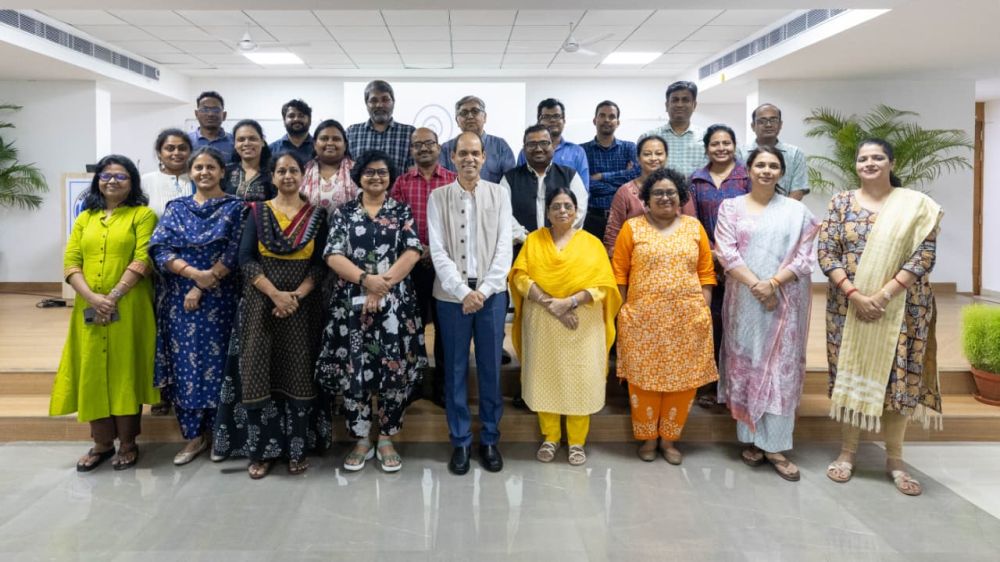
The first Faculty Workshop on Regenerative Science and Methodology
12th – 13th May 2026
The Faculty Workshop on Regenerative Science & Methodology of Research Practice began with Rethinking Knowledge, Systems & Regeneration, encouraging participants to move beyond fragmented thinking toward interconnected and ecosystemic understanding. Through Racing as One, faculty experienced the importance of collective responsibility and inclusion. Untangle the Tangle introduced systems thinking through collaborative problem-solving, empathy, and coordination, while Webs of Interaction & Intentionality fostered collective sense-making, highlighting interdependence, relational understanding, and regenerative approaches to research, education, practice, and living.
Day 1 : Rethinking Knowledge, Systems & Regeneration
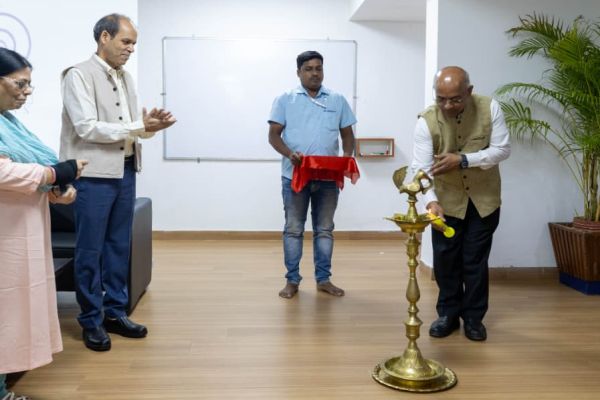
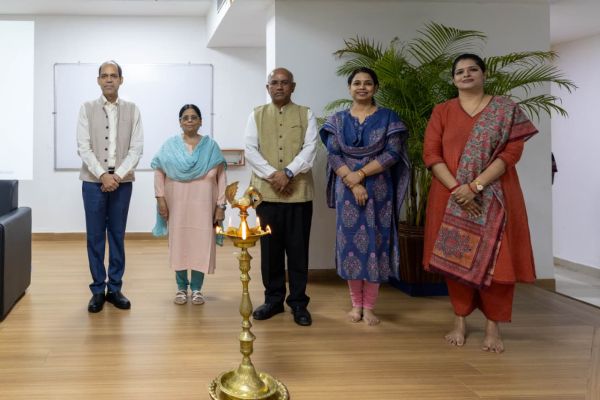
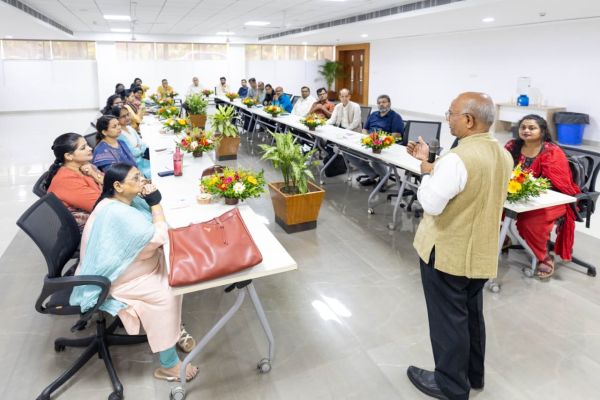
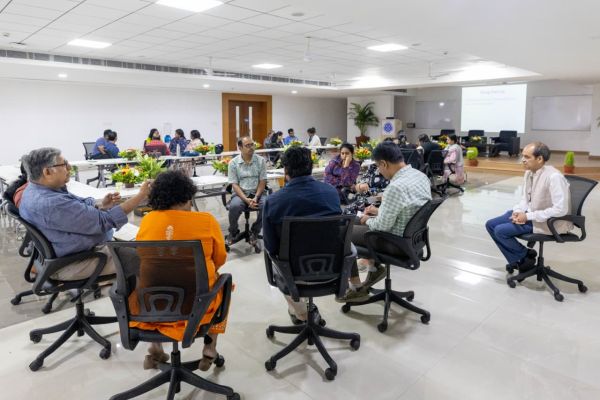
Marking the beginning of a futuristic ecosystemic initiative through the ceremonial lighting of the lamp and Exploring the shift from fragmented, reductionist thinking toward interconnected, ecosystemic understanding through reflective dialogue and critical inquiry.
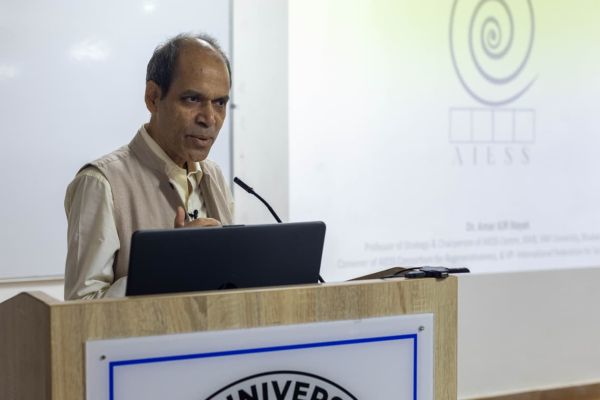
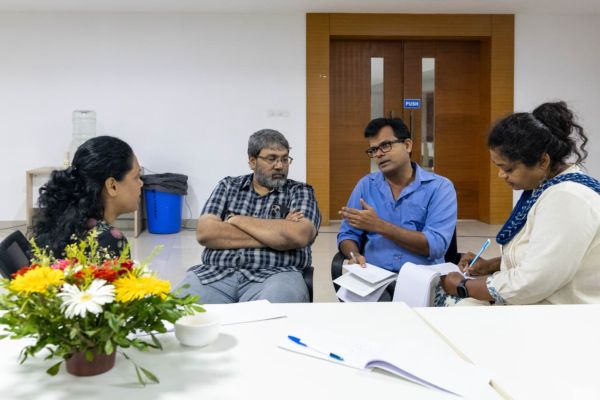
Engaging participants in debating commonly used academic terminologies such as “Methods” and “Methodology” to rethink how knowledge research, and practice shape regenerative futures.
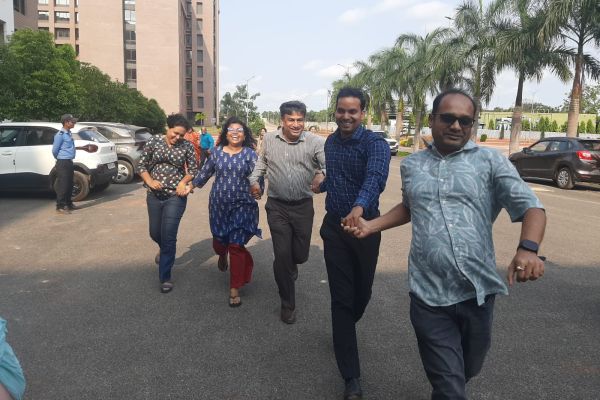
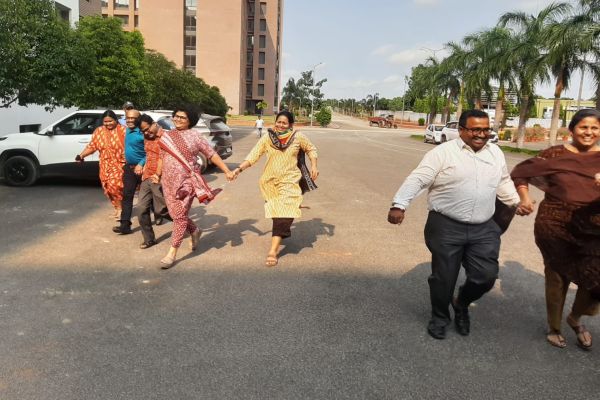
Racing as One: Supporting the Most Vulnerable in the Chain..
A race designed to demonstrate that a chain is only as strong as its weakest link, emphasizing collective responsibility and the importance of supporting the most vulnerable members of the human chain. While such an approach may not always lead to finishing first, it ensures that no one is left behind or disqualified from the race.
Day 2 : Designing Regenerative Futures: Transition Strategies for Living Systems
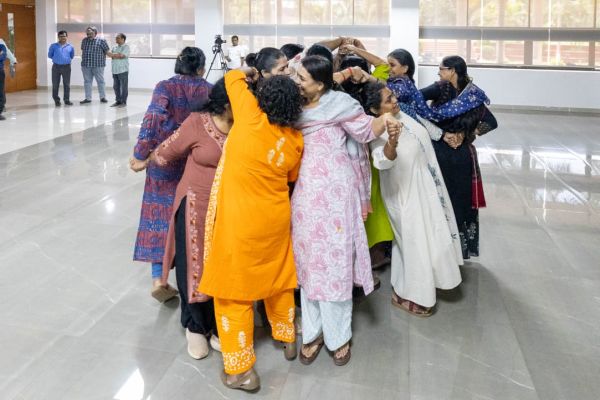
Untangle the Tangle: Beyond Knots, Beyond Silos
A pre-tea-break interactive activity designed to explore systems thinking through human coordination and collective problem-solving. One group creates a human tangle, while participants from another group guide the untangling process without physical contact, encouraging observation, communication, empathy, and non-intrusive intervention in complex human systems.
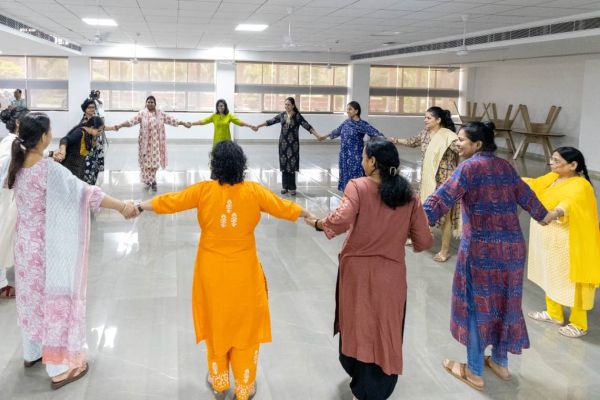
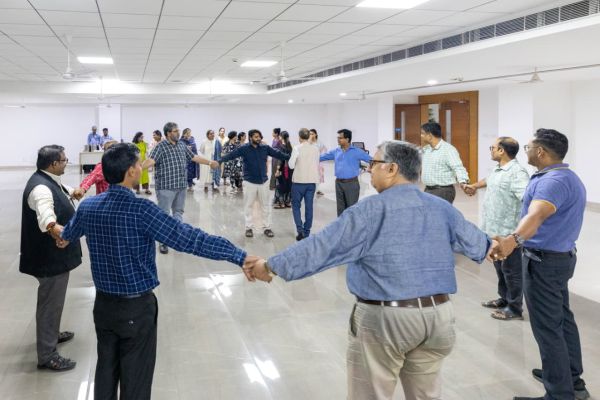
Webs of Interaction & Intentionality: A group exercise of Collective Sense-Making
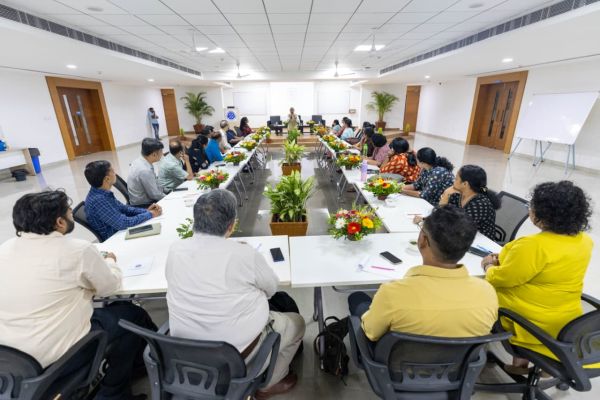
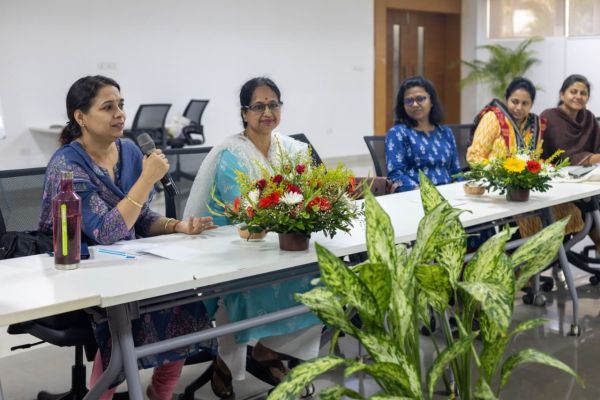
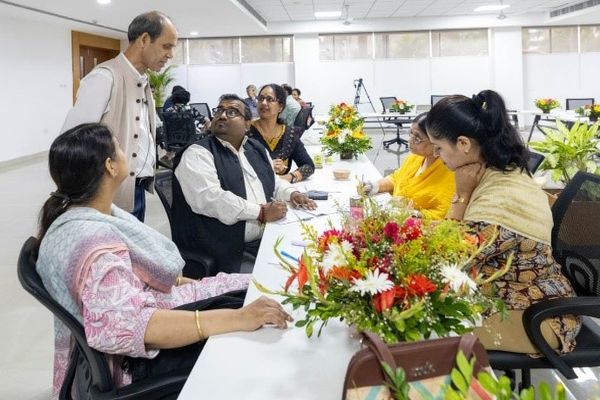
An immersive sector-wise deliberation where participants collectively mapped the visible and invisible threads connecting human and ecosystemic systems. Bringing together diverse disciplinary and professional perspectives, the activity invited groups to explore how actions, relationships, decisions, and intentions continuously shape and influence one another across complex realities.
Moving beyond fragmented and siloed thinking, the presentations fostered a deeper appreciation of interdependence, relational understanding, and evolving systemic interactions. Through reflective dialogue and collaborative sense-making, participants co-envisioned more coherent, regenerative, and contextually grounded approaches to thinking, research, practice, and living.
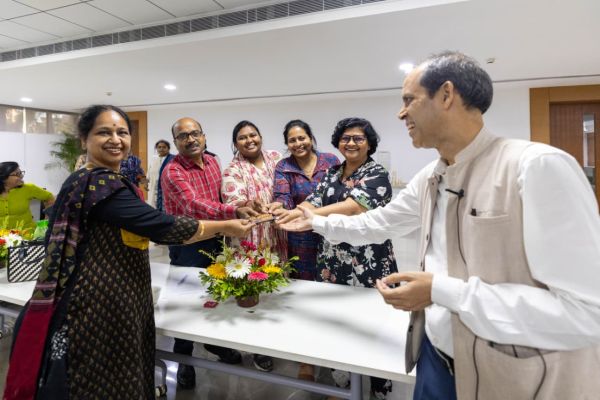
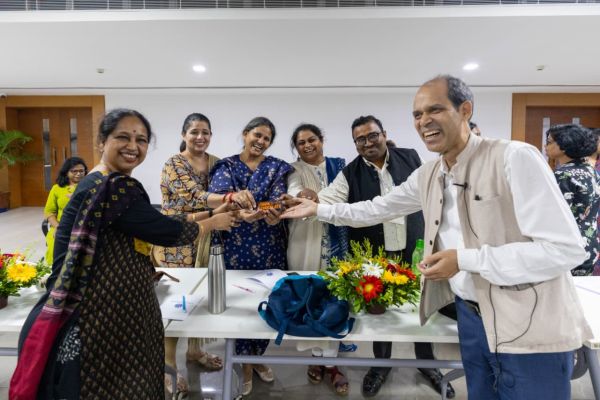
Dark chocolate, a proud product of an Indian brand, symbolizing indigenous strength and rooted identity, becomes more than a sweet token in the hands of academic minds, evoking the kid‑like happiness of receiving a prize—faces lighting up with bright smiles that regenerate energy and spirit. In academic circles, it sparks child‑like happiness, bright smiles, and renewed enthusiasm, reminding us that appreciation itself is regeneration, a cycle of joy, care, and intellectual vitality.
Center for All Interacting Evolving Systems Science
"In a world spiraling toward polycrisis, regenerative science isn't optional — it's the operating system we've been missing.”
Prof Amar KJR Nayak, Professor, Xavier Institute of Management, Bhubaneswar
"Sustainability draws a balance. Regeneration creates a future."
Dr Tathagat Chatterjee, Professor, Urban Management and Governance, XIM University